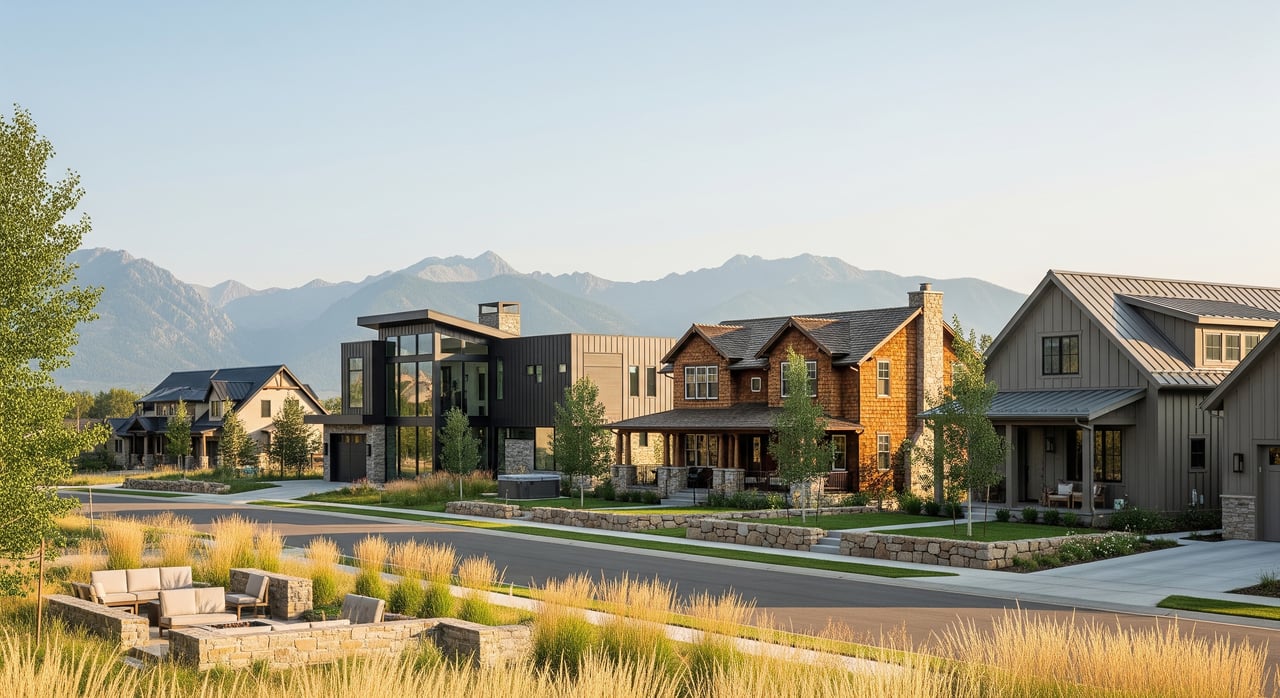
Trying to figure out which part of Bozeman fits how you live? With steady growth and a wide mix of neighborhoods, it can be hard to see the tradeoffs between walkability, yard space, mountain access, and commute needs. This guide breaks down the main Bozeman areas by lifestyle and typical home types so you can quickly narrow your search. You will learn where you’ll find condos near coffee shops, single-family homes near parks, and acreage close to trailheads. Let’s dive in.
How to use this guide
- Want walkability and a lively scene: look at Downtown and the West Main corridor.
- Want a yard and neighborhood parks: explore South and Southwest Bozeman.
- Want newer builds and quick trail access: check North Bozeman and the foothills edge.
- Want acreage, privacy, and mountain views: focus on Bridger Canyon and nearby foothills communities.
- Want easy access to Hyalite recreation: consider South and Southeast Bozeman toward the canyon.
- Want convenient I-90 and airport access: look to East Bozeman, Four Corners, and the I-90 corridor.
- Considering price or lot size alternatives: include Belgrade, Manhattan, Four Corners, and Gallatin Gateway.
Quick Bozeman snapshot
Bozeman has been one of Montana’s faster-growing cities in recent years, which drives new subdivisions and steady housing demand. The city is compact compared with major metros, and many in-town drives are often under 20 minutes depending on your route. Major anchors such as Montana State University and Bozeman Health shape demand near downtown and in north Bozeman. Proximity to I-90 and Bozeman Yellowstone International Airport in Belgrade is a key factor for commuters and frequent flyers.
Neighborhood profiles by lifestyle
Downtown and West Main (walkable, urban)
If you want a front-row seat to coffee, dining, and cultural events, this is your hub. You will see a classic main-street feel, historic streets, and newer infill condos that bring modern living to a highly walkable setting.
- Home types: Condos, townhomes, historic single-family homes on smaller lots, and some courtyard-style apartments.
- Lot feel: Compact and efficient; limited private yard space with a village-like vibe.
- Trails and parks: Quick access to the city trail network, Story Mill Community Park, and Peets Hill; sidewalks make daily walks easy.
- Amenities and access: Restaurants, shops, MSU, and daily services are nearby; many errands can be done on foot.
- Who it suits: Buyers who value walkability, nightlife, and proximity to MSU or Bozeman Health.
- Pros: Highest walkability with a true downtown lifestyle and short trips to major employers.
- Consider: Smaller living spaces, more traffic and activity, limited parking or private outdoor areas. Verify HOA rules, fees, and any historic district guidelines.
South and Southwest Bozeman (suburban with parks)
South of downtown and along the South 19th and Huffine corridors, you will find established subdivisions and newer pockets planned around parks and paths. This area balances space, neighborhood amenities, and quick access to shopping and services.
- Home types: Single-family homes from mid-century to newer builds, plus some townhome clusters.
- Lot feel: Moderate lot sizes with usable yards; mature trees in older areas and planned open space in newer ones.
- Trails and parks: Neighborhood parks and multi-use paths with connections into the broader trail system.
- Amenities and access: Grocery, medical services, schools, and shopping centers are a short drive; downtown is a moderate drive away.
- Who it suits: Buyers who want more indoor and outdoor space with parks and paths nearby.
- Pros: Larger homes and yards and an established residential feel with community amenities.
- Consider: Less walkable to downtown and some commuter traffic near main roads. Verify school boundary assignments with the district before you decide on a location.
North Bozeman and Foothills Edge (newer builds, trail access)
North of downtown, neighborhoods step toward the Bridger Range and offer a mix of newer subdivisions and homes closer to the foothills. It is a good blend of convenience and quick access to outdoor options.
- Home types: Newer single-family homes and duplexes in subdivisions, with some higher-end properties near the foothills.
- Lot feel: Varies from efficient suburban lots in new communities to larger parcels as you approach the foothills.
- Trails and parks: Strong access to local paths and nearby trailheads that lead toward the Bridger Range.
- Amenities and access: Growing neighborhood services in the north corridor with reasonable access to downtown.
- Who it suits: Buyers who want newer construction options and a quick hop to trail systems.
- Pros: Newer homes and easy access to outdoor recreation in the Bridger foothills.
- Consider: Rapid development means you should check planned roads and commercial projects. Review any HOA documents and upcoming infrastructure plans.
Bridger Canyon and Foothills Communities (outdoor, mountain lifestyle)
For privacy, acreage, and mountain views, Bridger Canyon and nearby foothill communities deliver a true mountain lifestyle. You trade quick urban convenience for direct access to recreation and a quieter setting.
- Home types: Custom single-family homes, cabins, and ranch-style properties on larger parcels; some seasonal homes.
- Lot feel: Larger lots with more privacy; wooded or sloped terrain in places.
- Trails and parks: Direct proximity to Bridger Range trail systems and quick drives to trailheads for hiking and winter activities.
- Amenities and access: Expect longer trips to groceries and services; plan for a 15 to 30 plus minute drive to central Bozeman depending on location and road conditions.
- Who it suits: Buyers who prioritize space, privacy, and daily access to mountain recreation.
- Pros: Scenic views, quiet settings, and immediate access to high-quality outdoor options.
- Consider: Longer commutes, fewer municipal services, wildfire and seasonal road considerations, and typical well and septic systems. Verify road maintenance responsibilities and county zoning, and review any wildfire mitigation requirements.
South, Southeast, and Hyalite Canyon (recreation at your door)
As you move toward Hyalite Canyon, neighborhoods transition from suburban to more rural. If you spend your weekends on trails, at the reservoir, or enjoying winter sports, this area is worth a close look.
- Home types: A mix of single-family homes and cabins, with more acreage and treed settings closer to the canyon.
- Lot feel: Larger lots as you approach the canyon, with a more rural feel and natural surroundings.
- Trails and parks: Excellent access to Hyalite Reservoir and numerous trailheads for hiking, fishing, and winter recreation.
- Amenities and access: South-side services are within reach, but properties close to the canyon require longer drives to central Bozeman.
- Who it suits: Buyers who want quick access to south-side trailheads and scenic outdoor zones.
- Pros: Everyday proximity to a major recreation area and a peaceful setting.
- Consider: Seasonal access and road conditions, variable utilities, and longer service trips. Confirm public land access rules and any permit needs.
East Bozeman, Four Corners, and the I-90 Corridor (commuter and airport access)
This corridor offers newer subdivisions, convenient highway access, and close proximity to the airport in Belgrade. It suits buyers who value time savings for regional travel and an efficient commute.
- Home types: Newer single-family homes and townhome clusters; light commercial areas near I-90.
- Lot feel: Planned communities with sidewalks and shared open space; suburban lot sizes.
- Trails and parks: Growing connections to the city’s trail network; fewer immediate mountain trailheads than the north and south edges.
- Amenities and access: Convenient to big-box retail and services along the corridor and in nearby Belgrade.
- Who it suits: Buyers seeking newer construction and smooth access to I-90 or the airport.
- Pros: Newer homes, potential value per square foot, and easy regional connectivity.
- Consider: Less historic character and possible development activity near the interstate. Monitor planned infrastructure and neighborhood build-out.
Nearby towns to include in your search
Many buyers widen their search to nearby towns for different price points, lot sizes, and commute preferences. Each has its own character and services.
- Belgrade: Close to the airport with a range of subdivisions and services.
- Manhattan: A smaller-town setting with a quieter pace and access to regional corridors.
- Four Corners: A growing hub at key road junctions with mixed residential options.
- Gallatin Gateway: Gateway to canyon recreation with a more rural feel in places.
Always factor in commute times, school assignments, and available services for each town. Market dynamics and inventory can differ from Bozeman.
When to choose each area
- Choose Downtown and West Main if you want to walk to dining, shops, and MSU and you are comfortable with smaller spaces and shared outdoor areas.
- Choose South and Southwest if yard space, parks, and neighborhood amenities are a priority and you do not mind a short drive to downtown.
- Choose North Bozeman and the foothills edge if you want newer homes and quick trail access toward the Bridgers.
- Choose Bridger Canyon if privacy, acreage, and mountain access outweigh a longer drive and rural services.
- Choose South, Southeast, and Hyalite if you want frequent access to Hyalite Reservoir and south-side trailheads.
- Choose East Bozeman and the I-90 corridor if you travel often or commute regionally and want newer construction options.
Buyer checklist: match your lifestyle to the right place
- Clarify lifestyle priorities: yard size, walkability, commute tolerance, and your primary outdoor activities.
- Compare home type tradeoffs: downtown condos and townhomes versus subdivisions with yards versus acreage by the mountains.
- Verify utilities and services: municipal water and sewer versus well and septic; ask about internet and cell service in rural or canyon areas.
- Ask about road maintenance and winter access: especially for canyon or private roads.
- Review HOA details: dues, rules, and reserves for condos and new subdivisions; rural areas may have road associations instead.
- Confirm school boundaries: check official district maps for attendance zones by address.
- Check planned development: future roads, commercial projects, and trail connections can change traffic and neighborhood character.
- Be clear on recreation access: direct access, a short walk to a trailhead, or a 5 to 20 minute drive can all be described as “close.”
- Think about resale: central, walkable areas and locations near major employers can resell faster, while large acreage properties may have a narrower buyer pool.
Your next step
The right Bozeman neighborhood is the one that supports how you live every day, from your morning coffee run to your weekend trail plans. If you want a local, consultative approach that balances lifestyle, market conditions, and on-the-ground details like utilities, HOAs, and access, let’s talk. Schedule a consultation with Bobby Goodman to map your short list and tour the areas that fit.
FAQs
Which Bozeman area is most walkable to dining and shops?
- Downtown and the West Main corridor offer the highest walkability with condos, townhomes, and historic homes near restaurants, retail, and MSU.
Where can I find acreage and quick mountain access near Bozeman?
- Bridger Canyon and nearby foothills communities provide privacy, larger lots, and direct access to Bridger Range recreation with longer drives to services.
What parts of Bozeman are close to Hyalite Reservoir and south-side trails?
- South, Southeast, and Hyalite-adjacent areas offer excellent access to trailheads and the reservoir, with a more rural feel as you get closer to the canyon.
Which areas work best for frequent flyers or I-90 commuters?
- East Bozeman, Four Corners, and the I-90 corridor provide newer communities and convenient access to the interstate and the regional airport in Belgrade.
How long are typical in-town drives in Bozeman?
- Bozeman is relatively compact and many in-town trips are often under 20 minutes depending on your start and destination.
What should I know about HOAs and rules in local neighborhoods?
- Many condos and newer subdivisions have HOAs, so review dues, rules, and reserves; rural areas may have road associations instead of full HOAs.