Trying to decide between a historic home and a newer build in Livingston? You are not alone. In a market where much of the housing stock was built decades ago and newer options tend to arrive through infill and condo-style development, this choice can shape not just your budget, but your day-to-day lifestyle too. If you are weighing character, maintenance, location, and long-term fit, this guide will help you compare both paths with more confidence. Let’s dive in.
Why this choice matters in Livingston
Livingston is not a market where old and new show up in equal numbers. According to the City of Livingston Growth Policy, about 72% of dwelling units were built before 1980, compared with 53% statewide.
That older housing mix, combined with a roughly 3% residential vacancy rate, helps explain why buyers often find themselves comparing established homes with limited newer inventory. The city is also updating its zoning code to better align with growth, preserve local character, and support more diverse housing options.
What historic charm looks like
If you picture Livingston as a place of porches, mature streetscapes, and homes with a strong sense of place, you are looking at its older neighborhoods. Livingston includes four National Register historic districts: Westside Residential, Eastside Residential, B Street, and Downtown, as outlined on the city’s historic preservation page.
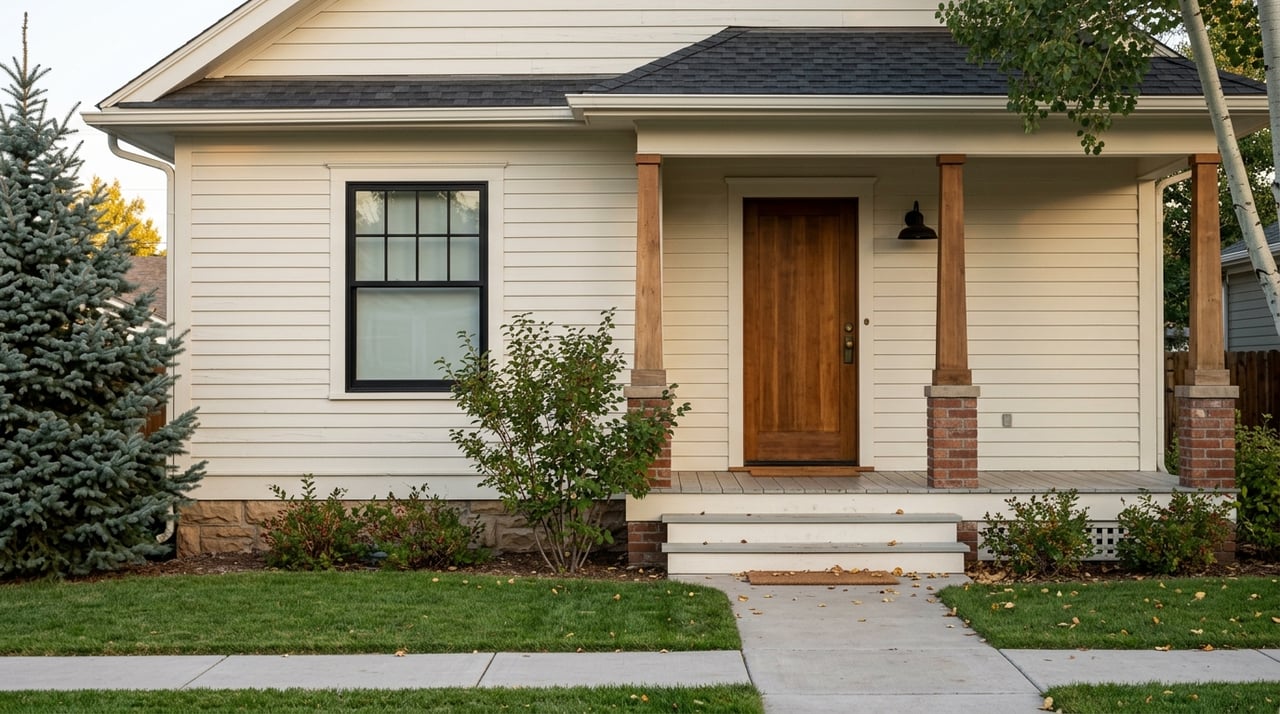
Architectural styles in these residential areas include Queen Anne, Shingle, Classical Revival, Prairie, bungalow, Spanish Colonial Revival, and vernacular homes, according to the historic resources inventory. In practical terms, that often means wood-frame homes, gabled or hip roofs, and generous front porches.
Older Livingston homes can also come with narrower lots, alley access, and a block-by-block feel that many buyers love. On the west side, homes are often two stories and may sit on larger lot groupings, while eastside and northside homes are commonly one to one-and-a-half stories on one or two narrow lots.
Benefits of older homes
Historic and older homes in Livingston often appeal to buyers who value:
- Distinct architecture
- Established streets and mature landscaping
- Front porches and original design details
- A strong connection to Livingston’s history
- Neighborhood texture that can be hard to replicate in newer developments
For many buyers, this is less about square footage and more about atmosphere. You may be choosing a home that feels rooted in the city’s story.
Historic district rules to know
If a home sits inside one of Livingston’s historic districts, exterior changes may require approval from the Design Review Committee before a building permit is issued, based on the city’s Historic District Overlay Zoning Ordinance. That does not mean every repair is complicated.
Ordinary maintenance and repair that do not change the exterior appearance are exempt. The committee also does not review interior arrangements, so your focus should be on understanding what exterior updates might trigger review.
What newer construction looks like
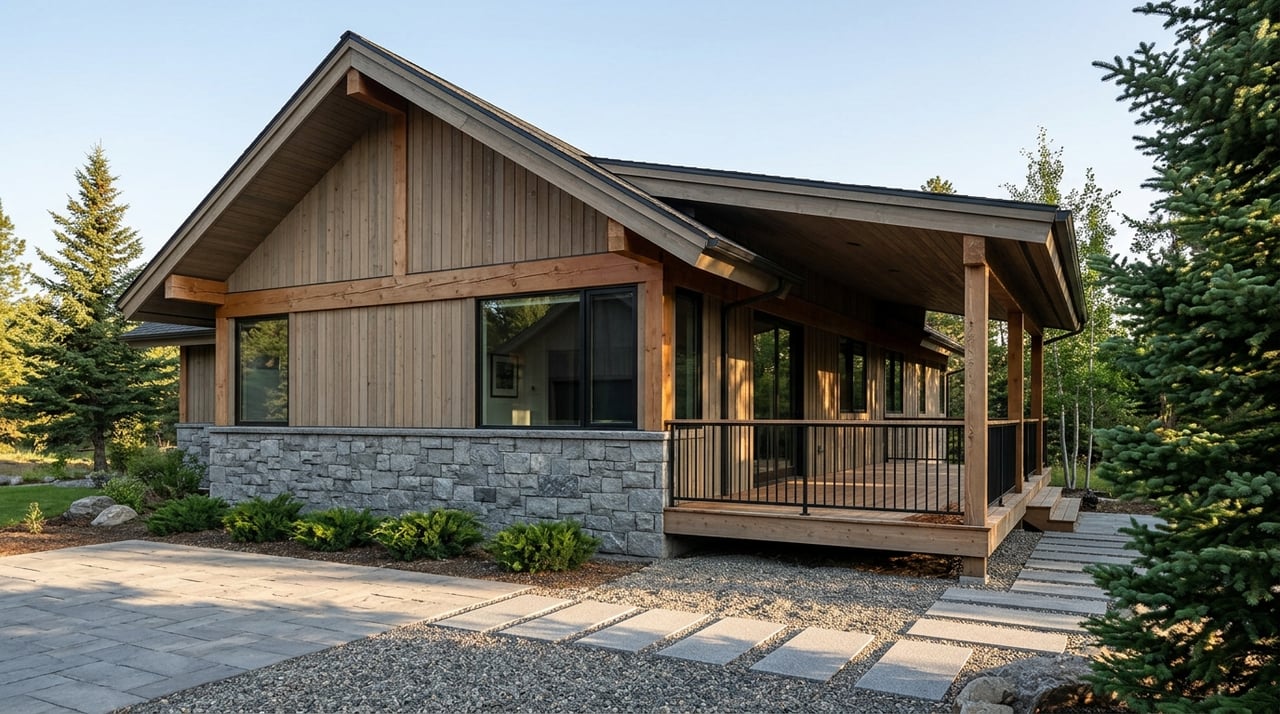
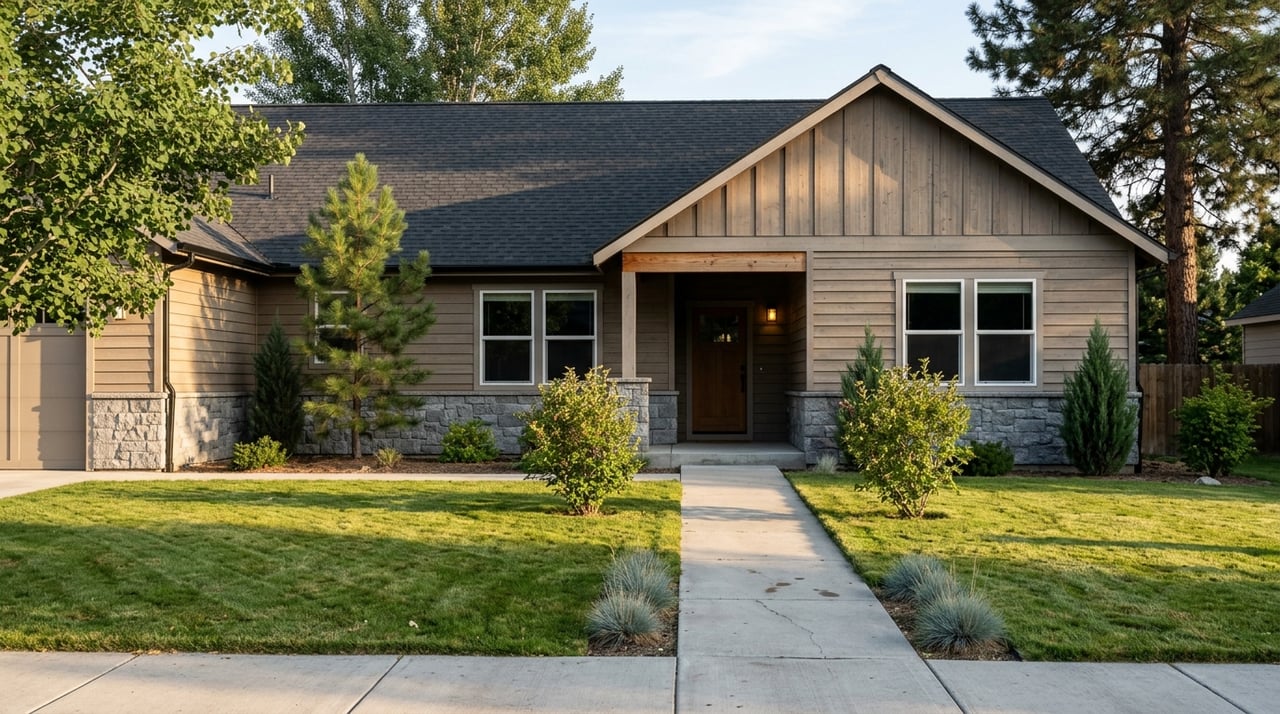
Newer housing in Livingston does not always look like a traditional suburban subdivision. The city’s Downtown Master Plan and recent project activity show that newer supply often comes through infill, adaptive reuse, and multifamily or condo-style projects.
Recent examples include Yellowstone Granary, completed in 2023 as an adaptive-reuse project with 18 apartments; Flats at Yellowstone Bend, completed in 2023 with 140 condominium units; and Sheep Mountain Residences, a 24-unit new-construction project that includes Energy Star appliances, open living areas, on-site parking, bike storage, a playground, shared open space, and green-building compliance, according to official project materials summarized in the Montana Board of Housing packet.
The Park County Housing Needs Assessment also notes that preferred infill areas are generally south of the railroad tracks, where utility upgrades are easier. That helps explain why newer homes may appear in compact pockets rather than evenly across the city.
Benefits of newer homes
Newer construction often stands out for practical reasons, including:
- More modern layouts
- Newer systems and materials
- Energy-efficient features
- Lower near-term maintenance needs
- Features such as parking, storage, and shared open space in some developments
If you want a more turnkey experience, newer construction may feel simpler. You may trade some historic detail for convenience and efficiency.
The real tradeoff: character vs convenience
In Livingston, the decision often comes down to what matters most in your daily life. Older homes may offer charm, architectural variety, and a more established setting. Newer homes may offer updated systems, easier upkeep, and amenities designed for how many buyers live today.
Neither option is automatically better. The right fit depends on whether you care most about original character, renovation tolerance, lot layout, efficiency, or a lower-maintenance lifestyle.
Inspection issues for older homes
If you are considering an older home, inspections matter even more. The city’s Growth Policy notes that homes over 40 years old are more likely to have deferred maintenance, older wiring, plumbing issues, roof leaks, heating and cooling deficiencies, inadequate windows, and higher energy costs.
That same report highlights lead-based paint risk in older housing, especially in homes built before 1978. This does not mean you should avoid these homes, but it does mean you should ask better questions and review updates carefully.
Older-home questions to ask
When you tour an older Livingston home, ask:
- Has the roof been replaced or repaired recently?
- What updates have been made to insulation and windows?
- Has the electrical system been updated?
- Are the plumbing lines original or replaced?
- What is the age and condition of the heating and cooling equipment?
- Is there documentation for lead-paint testing or mitigation if the home was built before 1978?
- Is the property located in a historic district with exterior review requirements?
These questions can help you separate a well-maintained older home from one that may need more work than expected.
Climate matters in Livingston
Montana weather should be part of your home-style decision. According to NOAA’s Montana Climate Summary, the state is prone to winter storm systems with heavy snow, high winds, and low wind chill temperatures. Chinook winds can also bring strong gusts and rapid snowmelt that may cause property damage.
For buyers in Livingston, that makes roof condition, insulation, window performance, drainage, and wind exposure especially important. These issues can matter in any home, but they often deserve extra attention in older properties where systems and materials may be further along in their life cycle.
How lot layout can affect your choice
Older and newer housing can feel very different beyond the house itself. Based on Livingston’s historic residential patterns in the historic inventory documents, older neighborhoods may include narrower lots, alley access, and a different relationship between the house, garage, and street.
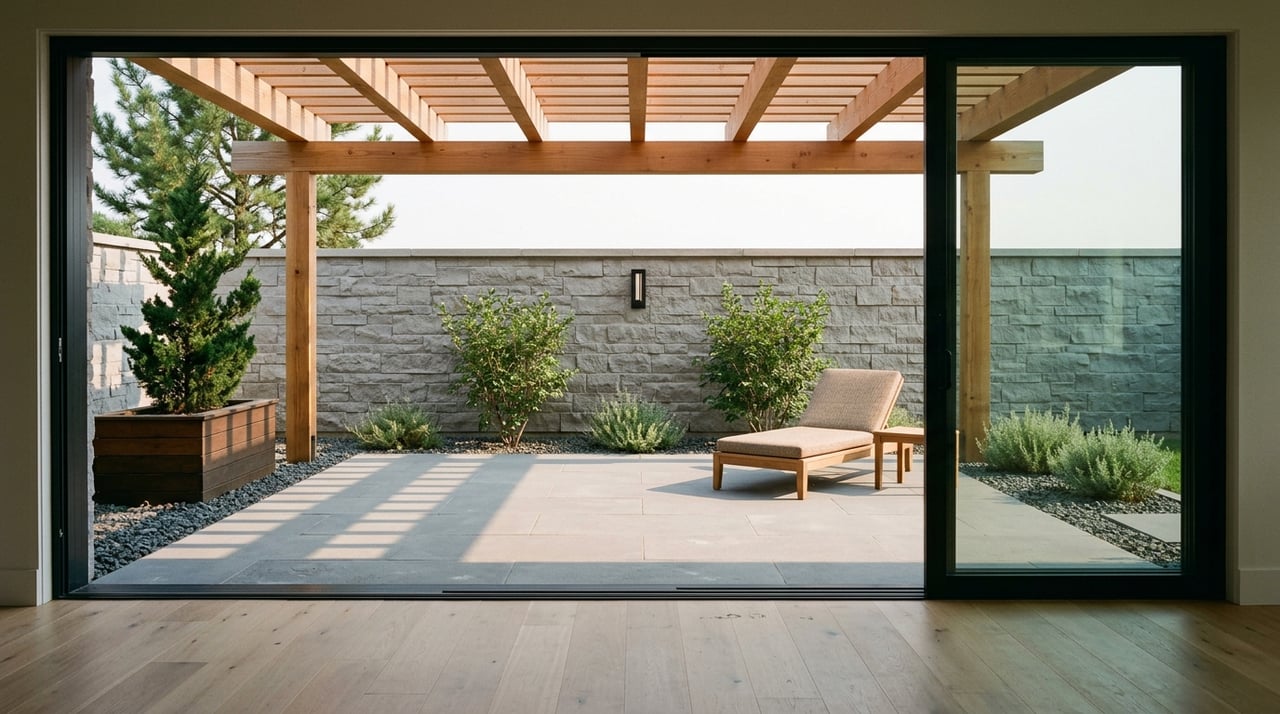
Newer infill or condo-style projects may offer a more compact footprint, more predictable parking, and shared amenities. Depending on your lifestyle, that can be a plus or a drawback. If you want more privacy or a traditional yard setup, compare site layouts closely rather than focusing only on the interior.
A simple way to decide
If you are torn between historic charm and a newer build, start with the lifestyle questions instead of the style questions.
Historic homes may fit you best if you want
- Distinct architecture and original details
- A home with a stronger sense of history and place
- Established blocks and mature surroundings
- The chance to personalize a property over time
Newer homes may fit you best if you want
- Lower-maintenance systems
- Better energy efficiency and newer appliances
- A more turnkey move-in experience
- Features like parking, bike storage, or shared open space
Your answer may become clear once you think about how much time, flexibility, and maintenance you want to take on after closing.
Final thoughts on buying in Livingston
Livingston offers something many markets do not: a meaningful choice between homes that reflect the city’s past and homes designed for its next chapter. Because so much of the local housing stock is older, buyers who understand the tradeoffs can make smarter decisions and avoid surprises.
Whether you are drawn to a porch-front bungalow, a classic two-story in an established district, or a newer low-maintenance home with modern features, the key is matching the property to your priorities. If you want local guidance on how different Livingston home styles compare in real life, connect with Bobby Goodman to schedule a consultation.
FAQs
What makes historic homes in Livingston different from newer homes?
- Historic homes in Livingston often offer older architecture, porches, established streets, and more neighborhood character, while newer homes tend to offer more modern layouts, newer systems, and lower-maintenance features.
What should you check before buying an older home in Livingston?
- You should closely review the roof, insulation, windows, electrical, plumbing, heating and cooling systems, and any documentation related to lead-based paint if the home was built before 1978.
What are Livingston historic district rules for homebuyers?
- If a property is in one of Livingston’s historic districts, some exterior changes may require Design Review Committee approval before a building permit is issued, while ordinary maintenance that does not change exterior appearance is generally exempt.
Where is newer construction most likely to be found in Livingston?
- Newer construction in Livingston often appears through infill, adaptive reuse, and multifamily or condo-style developments, with preferred infill areas generally located south of the railroad tracks.
Is newer construction always lower maintenance in Livingston?
- Newer construction can reduce some maintenance concerns because of newer systems, energy-efficient features, and modern materials, but you should still compare build quality, layout, parking, and long-term fit for your lifestyle.