Wondering whether a brand-new home or an established neighborhood is the better fit in Belgrade? You are not alone. With Belgrade growing quickly and adding new housing, roads, utilities, and community spaces, the right choice often comes down to how you want to live day to day, not just which countertops or floor plan you prefer. This guide will help you compare both options through a local lens so you can buy with more clarity and confidence. Let’s dive in.
Why this choice matters in Belgrade
Belgrade is changing fast. The U.S. Census Bureau QuickFacts for Belgrade show a July 1, 2024 population estimate of 12,741, which is up 21.6% from the 2020 census base.
That kind of growth shapes what you see on the ground. According to the city’s Planning and Zoning overview, Belgrade and Gallatin County use a 4.5-mile planning jurisdiction, and the city adopted a new zone code in July 2023. In other words, Belgrade is not standing still. It is actively planning for housing, infrastructure, and future land use.
For you as a buyer, that means this is not simply a debate between “new” and “old.” In Belgrade, you are often choosing between a city edge that is still building out, a downtown core seeing reinvestment, or other areas with a different lot pattern and pace of change.
What new construction can offer
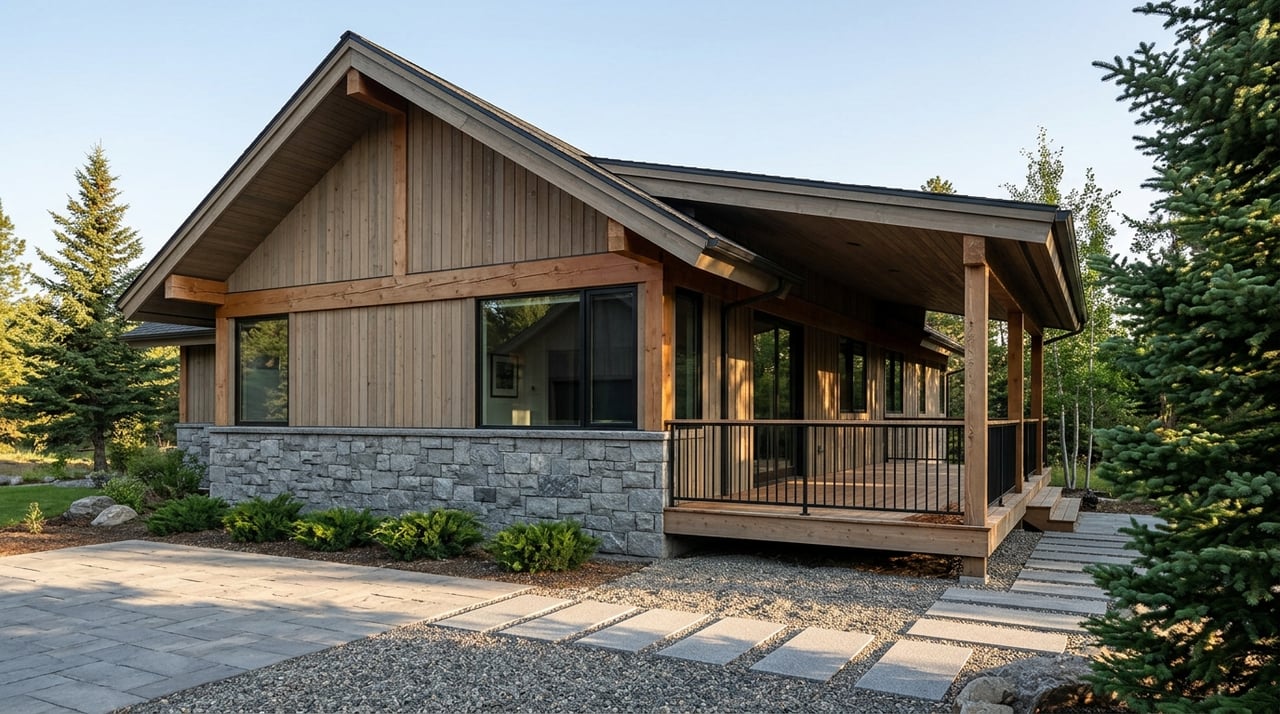
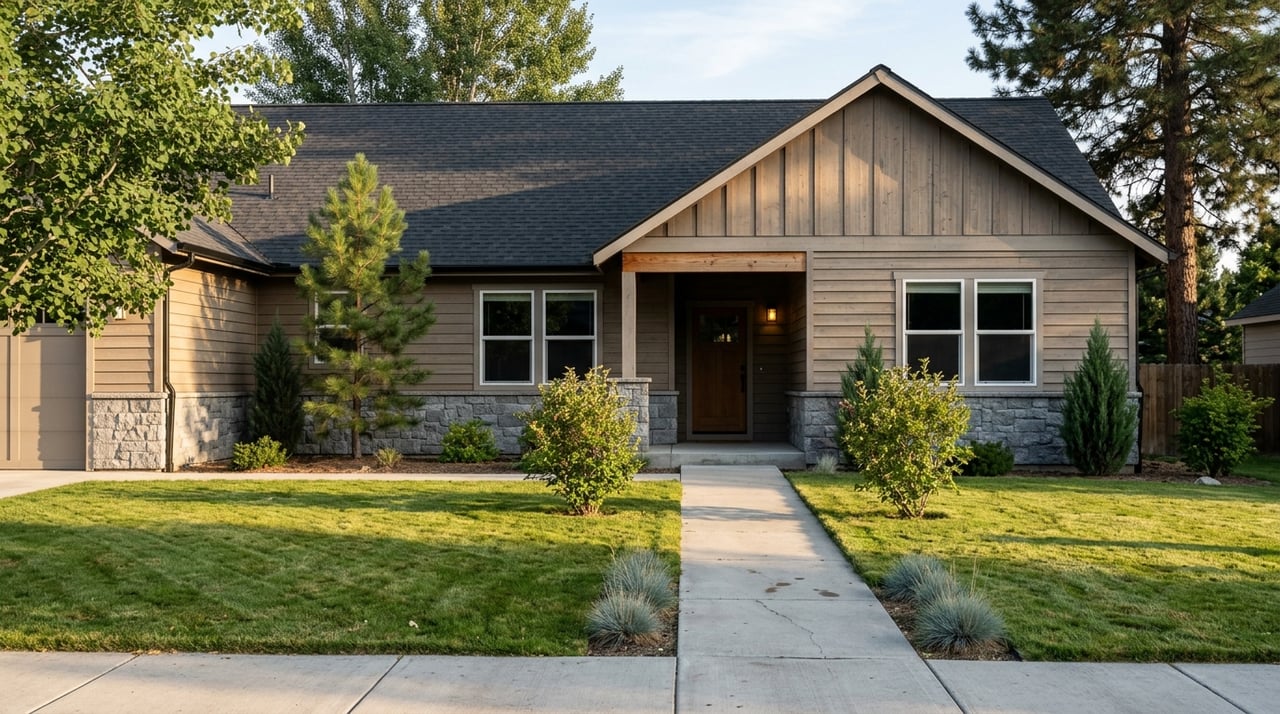
In Belgrade, new construction often means more than a new roof and untouched finishes. It can also mean buying into an area shaped around newer infrastructure, planned neighborhood patterns, and future growth.
The city’s draft land-use materials describe suburban areas as places that support new neighborhoods along with nearby uses such as schools, neighborhood-serving retail, churches, and community centers. The same materials point to examples like Ball Park Phase 2 and Henson, while higher-density projects near the city’s zoning jurisdiction may also be zoned or annexed over time, including examples such as Emerald Condos on Cruiser Lane, as outlined in the draft future land-use map amendment.
City budget materials also show how active the pipeline has been. In the FY2023 budget, Belgrade said the Building Department was processing more than 400 dwelling units per year, and that more than 1,000 acres had been annexed since 2015, with most of that acreage under subdivision development. Projects named in that report included Ashton Meadows, West Post, Jackrabbit Crossing, Yellowstone Landing, and Black Rock, according to the city’s FY2023 budget document.
Benefits of newer neighborhoods
If you are drawn to new construction, these are some of the most practical advantages to look for in Belgrade:
- Newer infrastructure: Some areas are being built alongside major city investments in roads, water, and wastewater systems.
- More standardized layouts: New subdivisions often follow a more predictable neighborhood pattern.
- Trail and park connections: Several newer neighborhood areas connect to local trail systems.
- Move-in-ready appeal: A new home may reduce immediate repair or update needs.
Belgrade’s current infrastructure work helps explain why this matters. The city’s Belgrade Urban corridor project page describes plans to expand Jackrabbit Lane to five lanes, improve the BNSF crossing, and add shoulders and sidewalks. The city has also highlighted ongoing water and wastewater investments that support public health, growth, and reliable service.
Recreation is part of the picture too. The city’s Parks and Trails page says Belgrade maintains more than 83 acres of parks and many recreational resources, while also listing neighborhood trail systems such as Henson, Mayfair Meadows, Menicucci, Prairie View East Yellowstone, and Ryen Glenn.
Tradeoffs to keep in mind
New construction can be appealing, but it may come with more change around you. If you buy in a growth corridor, nearby lots may still be under development, roads may still be evolving, and the area may feel different a few years from now than it does on closing day.
That does not make it a bad choice. It simply means you should look beyond the home itself and ask what is planned nearby, what has already been built, and how much future construction you are comfortable living around.
What established neighborhoods can offer
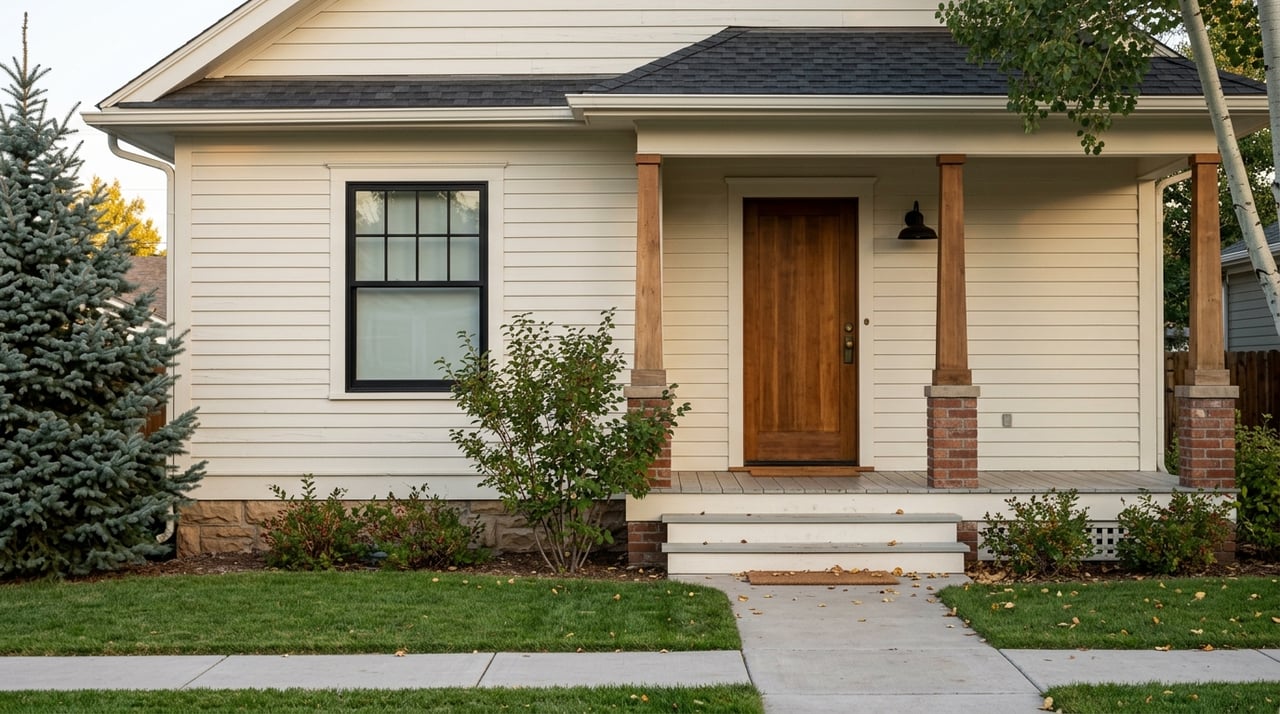
Established areas in Belgrade often appeal to buyers who care more about central access, existing surroundings, and a sense of place that has built up over time. In local terms, this often points buyers toward the downtown core or nearby older residential areas.
Belgrade’s Downtown Design Plan archive shows that the downtown core has a distinct planning identity tied to the Commercial Center Urban Renewal District, created in 2017. The city’s economic development materials note phasing priorities around Main Street, the Central Urban Core, Broadway and Main Street connections, and Central Avenue.
Public input in that plan helps explain what many buyers mean when they say they want “character.” Residents emphasized preservation, safer sidewalk connections and crosswalks, more lighting, more street trees and planters, and a stronger downtown experience. The plan also describes the Community Core as an area where mixed housing types, small neighborhood parks, and neighborhood-serving commercial uses support a small-town feel.
Benefits of established areas
For some buyers, established neighborhoods check boxes that new subdivisions do not. Depending on the location, you may find:
- Closer access to downtown and civic spaces
- More mature neighborhood patterns
- Existing sidewalks, blocks, and connections
- A setting that feels less tied to active subdivision growth
A good example of central access is Lewis & Clark Park, which sits a few blocks from downtown and next to the public library. For buyers who value proximity to community spaces, parks, and a more central location, that kind of placement can carry real day-to-day value.
Practical tradeoffs in older areas
Established neighborhoods have their own considerations. Street layouts, alley access, winter maintenance patterns, and sidewalk responsibilities may matter more than you expect, especially in Montana.
The city’s Street Maintenance page says Belgrade maintains more than 150 combined centerline miles of city-owned transportation infrastructure and handles more than 200 lane miles for snow and ice. It also notes that residential streets are non-priority routes, alleys do not receive regular winter maintenance, and property owners must clear adjacent sidewalks or pedestrian paths by noon the next day after snowfall.
If you are comparing neighborhoods in winter, those details are worth taking seriously. A charming location and central access may still be the right fit, but you will want to understand how snow, sidewalks, and alleys affect your routine.
How to compare both options
In Belgrade, the smarter question is often not “Which is better?” but “Which fits how you want to live?” The city’s planning framework separates suburban, rural, high-density, and urban-renewal land-use patterns, which is a useful lens for buyers, as shown in the city planning materials.
Here is a simple way to compare your options:
| Factor | New Construction | Established Neighborhood |
|---|---|---|
| Setting | Often on the growing edge of town | Often closer to downtown or civic core |
| Infrastructure | May be newer or tied to current upgrades | More likely already in place |
| Surroundings | May continue changing as development continues | Usually more established day to day |
| Access to trails and parks | Often built into newer neighborhood planning | May offer central park and downtown access |
| Feel | More standardized subdivision pattern | More varied and established character |
Neither side wins automatically. The best fit depends on your priorities, your timeline, and your comfort with future change.
Questions to ask on Belgrade home tours
A good showing is not just about the house. It is also your chance to understand the block, the infrastructure, and what the area may look like in a few years.
These questions are especially useful in Belgrade:
- Is this home in a planned suburban area, a downtown or core area, or a larger-lot setting?
- Are nearby roads, sidewalks, water, and wastewater systems already built out, or are they still part of an active growth corridor?
- How much nearby construction is still planned?
- Do you prefer a newer subdivision feel or more established surroundings with central access?
- Will alley access, sidewalk upkeep, or winter plowing patterns matter to your daily routine?
School logistics are another practical topic. The Belgrade School District update says the district serves more than 3,200 students across five buildings and anticipates the need for another elementary school and a second middle school before 2030. The district also notes that under Montana open-enrollment rules, buyers should verify the attendance boundary for a specific address and review any nonresident options, because living in the district does not guarantee placement in a particular school.
The best fit depends on your lifestyle
If you want newer infrastructure, trail connections, and a more move-in-ready feel, new construction may be the better match. If you care more about downtown proximity, existing surroundings, and a neighborhood that already feels rooted, an established area may suit you better.
In a fast-changing market like Belgrade, it helps to look beyond surface-level finishes. Lot type, access, future development, civic proximity, and daily routines often matter more than buyers expect.
If you want help weighing those tradeoffs in real time, Bobby Goodman offers a consultative, local approach to buying in Belgrade and across the Gallatin Valley. Whether you are comparing new construction, established neighborhoods, or something in between, you can schedule a consultation and get guidance tailored to how you actually want to live.
FAQs
What is the biggest difference between new construction and established neighborhoods in Belgrade?
- The biggest difference is often not the age of the home, but whether you prefer a growing edge-of-town setting with newer infrastructure or a more central area with established surroundings and easier access to downtown community spaces.
What should buyers ask about future development in Belgrade neighborhoods?
- You should ask how much nearby construction is still planned, whether roads and utilities are fully built out, and if the property sits in an active growth corridor where the area may change over time.
What should buyers know about Belgrade school boundaries?
- You should verify the attendance boundary for the specific address and review district enrollment details, because living in the district does not guarantee placement in a particular school.
How do winter maintenance rules affect Belgrade homebuyers?
- You should check whether the home is on a residential street or near an alley, understand that alleys are not regularly maintained by the city in winter, and know that property owners are responsible for clearing adjacent sidewalks after snowfall.
Are established Belgrade neighborhoods closer to parks and downtown amenities?
- Some established areas offer closer access to downtown, the public library, and parks such as Lewis & Clark Park, which can be important if you value central access and community spaces.